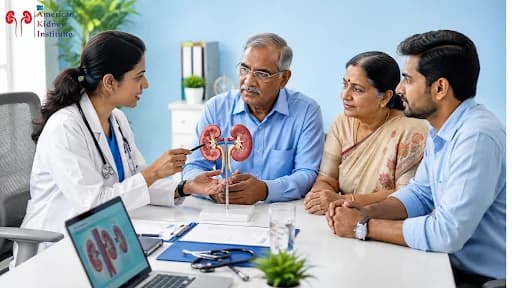

Your kidneys perform hundreds of vital functions daily despite being relatively small organs. They clean your blood, remove toxins through urine, regulate electrolyte balance, maintain healthy blood pressure, support red blood cell production, and strengthen bones by activating Vitamin D. Because kidney function can decline gradually, symptoms may appear slowly and be easily overlooked, which is why recognizing the early warning signs is so important.
What Is Chronic Kidney Disease?
Chronic Kidney Disease (CKD) is a long-term condition in which the kidneys gradually lose their ability to filter waste products and excess fluids from the blood. Unlike acute kidney injury, CKD develops slowly over months or years, often without noticeable symptoms initially. It is classified into five stages using the Glomerular Filtration Rate (GFR), which measures kidney filtering efficiency, and is frequently called a silent disease.
What Causes CKD?
- Diabetes causing damage to tiny kidney blood vessels through elevated blood sugar
- Uncontrolled hypertension placing continuous pressure on delicate kidney vessels
- Family history of kidney disease
- Obesity and unhealthy lifestyle habits
- Prolonged use of certain painkillers
Early Symptoms You Should Never Ignore
- Persistent fatigue and low energy caused by anemia from reduced erythropoietin production
- Swelling in the feet, ankles, hands, or face from fluid retention
- Changes in urination, including increased nighttime urination, reduced output, foamy urine, or blood in urine
- High blood pressure that is difficult to control
- Loss of appetite and unexplained weight loss, with food tasting different
- Muscle cramps and weakness from mineral imbalances
- Dry, itchy skin unresponsive to moisturizers
- Difficulty concentrating and poor sleep
How Is CKD Diagnosed?
Doctors recommend kidney screening for individuals with diabetes, hypertension, heart disease, obesity, or family history. Diagnostic tests include blood tests measuring serum creatinine and eGFR, urine examination for protein and blood, blood pressure monitoring, kidney ultrasound, and, when needed, a kidney biopsy.
Treatment and Prevention
Although CKD-related damage cannot always be reversed, modern treatment can significantly slow progression. Treatment focuses on managing underlying causes such as diabetes and hypertension, prescribing medications to control blood pressure and reduce protein leakage, following a kidney-friendly diet, making lifestyle modifications, and attending regular follow-up. In advanced stages, dialysis or transplant may be considered. Many cases can be prevented by controlling blood sugar and blood pressure, staying properly hydrated, reducing salt and processed foods, exercising regularly, avoiding smoking, and never taking painkillers long-term without medical advice.
Book a Consultation
Never ignore persistent tiredness, swelling, urination changes, difficult-to-control blood pressure, or unexplained appetite loss. Early medical attention makes a significant difference in preventing serious complications. American Kidney Institute in Vijayawada provides timely diagnosis, personalized treatment, and long-term kidney care. Call our 24/7 line on 0866-2434849 to book a consultation.
Have questions about your health?
Our specialists are here to help. Book a consultation today.
Make an Appointment