Kidney stone removal is a safe and effective way to restore comfort and protect kidney health. Knowing what to expect before, during, and after the procedure helps you feel prepared and confident throughout your treatment journey.
Before the Procedure: Diagnosis and Preparation
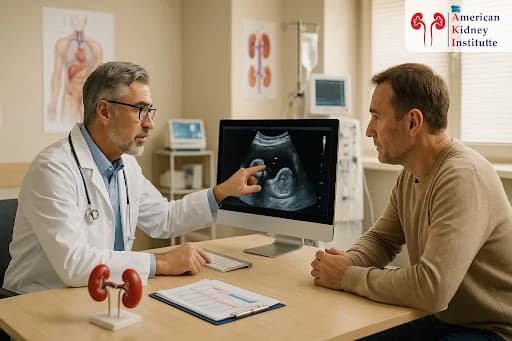
The first step in kidney stone treatment is confirming the size, type, and location of the stone. Your doctor may order an ultrasound or CT scan to visualize the stone in detail, along with urine and blood tests to check kidney function and detect infections. If you have a history of prostate stones or urinary tract issues, your urologist will evaluate these conditions as well to ensure safe and effective treatment.
Preparation tips before kidney stone removal include:
- Follow your doctor's dietary and hydration recommendations
- Stop certain medications like blood thinners if advised
- Fast for a few hours before the procedure if anesthesia will be used
During the Procedure: Treatment Options
The choice of treatment depends on the size and position of the kidney stone:
- Extracorporeal Shock Wave Lithotripsy (ESWL) uses sound waves to break stones into smaller pieces so they can pass naturally, usually as an outpatient procedure
- Ureteroscopy (URS) uses a thin scope inserted through the urethra to reach and remove the stone, suitable for stones in the ureter or kidney
- Percutaneous Nephrolithotomy (PCNL) is used for large or complex stones, removing them directly through a small incision in the back
- Laser lithotripsy uses a high-energy laser to break the stone into tiny fragments for easier removal
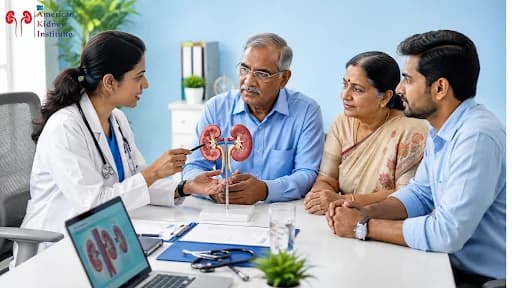
Your kidney specialist will decide the safest and most effective method based on your condition.
After the Procedure: Recovery and Care
Recovery time varies depending on the treatment. After ESWL you may experience mild discomfort and blood in urine for a few days. After ureteroscopy or laser lithotripsy, most patients return to normal activities within two to three days. After PCNL, a hospital stay of one to two days may be required for monitoring.
Post-procedure care tips include:
- Drink plenty of water to flush out remaining fragments
- Take prescribed painkillers and antibiotics
- Follow up with imaging to ensure no residual stones remain
If you have prostate stones or an enlarged prostate, your doctor may also recommend additional treatments to prevent recurrence.
Preventing Future Kidney Stones
Kidney stone removal treats the current problem, but prevention is key to avoiding future episodes. Stay well hydrated with two to three liters of water per day, limit salt and reduce foods high in oxalates such as spinach and nuts, and maintain a balanced diet with adequate calcium.
Book a Consultation
With advanced technology and expert care, patients can expect excellent outcomes and minimal downtime. If you experience severe flank pain, blood in urine, or difficulty urinating, seek immediate evaluation. American Kidney Institute in Vijayawada provides comprehensive kidney stone care and prevention. Call our 24/7 line on 0866-2434849 to book a consultation.
Have questions about your health?
Our specialists are here to help. Book a consultation today.
Make an Appointment