Your kidneys perform hundreds of important tasks every day, filtering waste and toxins, balancing minerals, regulating blood pressure, activating Vitamin D, and stimulating red blood cell production. Kidney disease has become increasingly common due to unhealthy diets, sedentary lifestyles, diabetes, high blood pressure, and obesity, and symptoms often remain hidden for years. The encouraging part is that many kidney problems can be delayed or prevented with simple, evidence-based habits.
1. Drink Enough Water Every Day
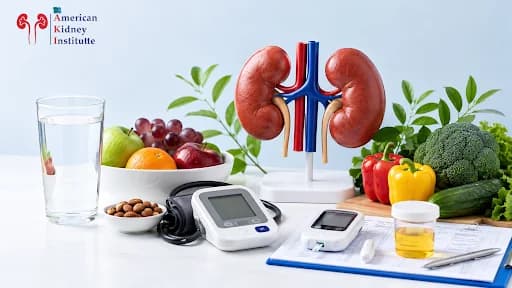
Water helps your kidneys remove toxins and waste efficiently. Repeated dehydration over months or years can increase stress on the kidneys and contribute to kidney stones or urinary infections. For most healthy adults, 8 to 10 glasses daily is generally recommended, though needs vary with body size, climate, and activity. Light yellow urine usually indicates good hydration. Start your morning with a glass of water, carry a reusable bottle, drink small amounts consistently, and include water-rich foods such as cucumber and watermelon. If you have kidney or heart disease requiring fluid restriction, always follow your doctor's advice.
2. Eat Healthy Foods and Reduce Salt Intake
High sodium intake causes the body to retain water, raising blood pressure and straining the kidneys. Sodium is hidden in packaged chips, biscuits, sauces, pickles, instant noodles, and processed meats. Preparing meals at home lets you control salt and oil. Fill half your plate with fresh vegetables, replace packaged snacks with fruits and unsalted nuts, choose whole grains, and read nutrition labels to select lower-sodium products.
3. Control Blood Sugar, Blood Pressure, and Cholesterol
Uncontrolled diabetes and hypertension are responsible for a large percentage of kidney failure cases. High blood sugar damages the tiny filtering vessels in the kidneys, while high blood pressure weakens them, and unhealthy cholesterol narrows blood vessels. Because these conditions often produce no early symptoms, regular check-ups are essential. Monitor your levels, follow a balanced diet, stay active with at least 30 minutes of exercise most days, maintain a healthy weight, and never skip prescribed medications.
4. Avoid Frequent Painkiller Use Without Medical Advice
Certain painkillers, especially when taken repeatedly or in high doses without supervision, can reduce blood flow to the kidneys and gradually damage kidney tissue. The risk is higher for people with diabetes, high blood pressure, dehydration, or existing kidney problems. Take medicines exactly as prescribed, inform your doctor about every supplement and herbal product, stay hydrated, and identify the underlying cause of recurring pain rather than repeatedly self-medicating.
5. Get Regular Kidney Tests If You Are at Risk
Kidney disease usually develops without noticeable symptoms, so routine screening is important, especially for those with diabetes or hypertension. Common tests include the Serum Creatinine test, the eGFR (Estimated Glomerular Filtration Rate), and a urine test that can detect protein, blood, or infection. Early detection provides more treatment options and significantly improves long-term outcomes.
Additional Habits That Support Healthy Kidneys
Stay physically active, avoid smoking and tobacco, limit alcohol, get seven to eight hours of quality sleep, and manage stress through meditation, yoga, or time with family. Prevention is always easier, safer, and more affordable than treating advanced kidney disease.
Book a Consultation
At American Kidney Institute in Vijayawada, we believe education is one of the strongest tools for preventing kidney disease. Whether you need preventive screening or long-term monitoring, our team provides comprehensive care using advanced diagnostics. If you have diabetes, high blood pressure, a family history of kidney disease, or simply wish to assess your kidney health, call our 24/7 line on 0866-2434849 to schedule a consultation.
Have questions about your health?
Our specialists are here to help. Book a consultation today.
Make an Appointment