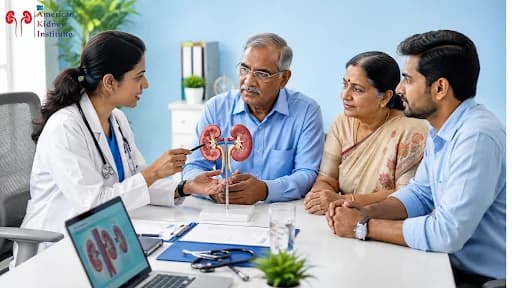
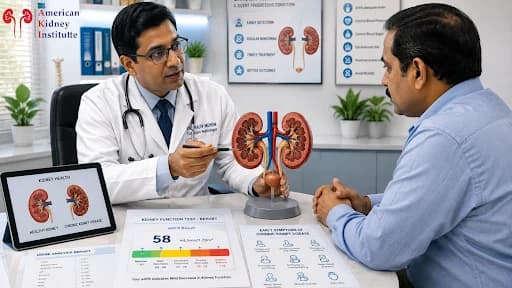
Kidney stones are hard mineral and salt deposits that develop inside the kidneys when substances in the urine become highly concentrated. Some are as small as a grain of sand and pass unnoticed, while others grow larger and block the urinary tract, causing severe pain, infection, and even kidney damage if left untreated. Understanding how they develop is the first step toward prevention and choosing the right treatment.
Common Causes and Risk Factors
Kidney stones rarely develop for a single reason. Contributing factors include not drinking enough water, unhealthy eating habits high in salt or animal protein, a family history of stones, certain medical conditions such as obesity, recurrent urinary infections, gout, and hyperparathyroidism, and prolonged use of certain medications or supplements. Adults between 20 and 60, people who are dehydrated or obese, and those with a previous history of stones are more likely to develop them.
Symptoms You Should Never Ignore
- Severe, wave-like pain in the side or lower back that may shift to the lower abdomen or groin
- Pain or burning while passing urine
- Blood in the urine, which may appear pink, red, or brown
- Frequent urination, even when little urine is passed
- Nausea and vomiting during painful episodes
- Fever and chills, which may indicate infection and require immediate care
Seek urgent medical attention for pain that does not improve, repeated or heavy blood in urine, fever with severe pain, difficulty passing urine, or persistent pain with weakness or dizziness.
How Kidney Stones Are Diagnosed
Accurate diagnosis begins with medical history and physical examination, followed by urine tests to detect blood, infection, and crystals, blood tests to evaluate kidney function and calcium and uric acid levels, and imaging. Ultrasound is safe and radiation-free, a CT scan provides highly detailed information about size and location, and X-rays can monitor certain stones. Accurate diagnosis prevents unnecessary treatments and helps determine the stone type for personalized prevention.
Treatment Options
- Conservative treatment for small stones under 5 mm, using hydration, pain relief, and medications that relax the ureter
- Extracorporeal Shock Wave Lithotripsy (ESWL), which breaks stones into fragments using focused shock waves without incisions
- Ureteroscopy (URS), a minimally invasive procedure passing a thin scope through the natural urinary passage
- Retrograde Intrarenal Surgery (RIRS), an advanced technique using a flexible scope and laser to reach stones deep inside the kidney
- Percutaneous Nephrolithotomy (PCNL), for larger or complex stones, using a small opening in the back
- Laser treatment, which fragments stones into dust-like particles with high precision
The right option depends on the size, location, and composition of the stone, along with the patient's overall health.
Choosing the Best Treatment and Preventing Recurrence
Choose an experienced urology team, advanced diagnostic facilities, a hospital offering multiple treatment options, and a provider that focuses on prevention and clear communication. After treatment, prevent recurrence by staying well hydrated, following a balanced low-salt diet, maintaining a healthy weight, and attending regular follow-up so no fragments remain and new stones are detected early.
Book a Consultation
Kidney stone management is about more than removing the stone. It means identifying the cause, protecting kidney function, and preventing future stones. American Kidney Institute in Vijayawada offers modern diagnostics, minimally invasive treatment, and personalized follow-up care. Call our 24/7 line on 0866-2434849 to book a consultation.
Have questions about your health?
Our specialists are here to help. Book a consultation today.
Make an Appointment