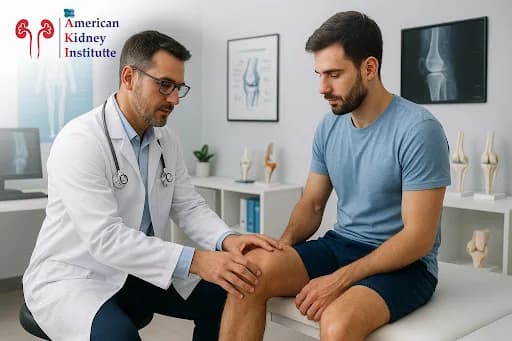
Joint pain affects people across all age groups and can significantly impact daily activities like walking, bending, and lifting. Many people mistakenly believe mild joint pain will resolve on its own or dismiss it as a normal part of aging. However, untreated pain can gradually progress into chronic discomfort, stiffness, and permanent joint damage, which is why timely orthopedic care is essential.
Understanding Joint Pain
Joints are points where bones meet, enabling smooth and flexible movement. Joint pain develops when cartilage deteriorates, ligaments strain, muscles weaken, or inflammation occurs within the joint. It can be short-term or long-lasting, affecting one joint or several at once, and may occur during movement or while resting.
Common Causes of Joint Pain
- Age-related wear and tear, as cartilage naturally wears down and increases friction, commonly affecting the knees, hips, and spine
- Arthritis and inflammatory conditions such as osteoarthritis and rheumatoid arthritis, causing swelling, stiffness, and pain
- Injuries and physical trauma from sports, accidents, falls, and fractures, especially when healing is improper
- Overuse and repetitive strain from repeated movements, heavy work, or poor posture
- Infections and medical conditions that cause sudden pain, swelling, redness, and fever, requiring urgent care
Symptoms That Indicate Serious Problems
Seek evaluation for persistent pain lasting more than a few weeks, especially with swelling, warmth, or redness, difficulty moving the joint, morning stiffness lasting over an hour, or pain that disrupts sleep. Early diagnosis prevents long-term disability.
How Orthopedic Doctors Diagnose Joint Pain
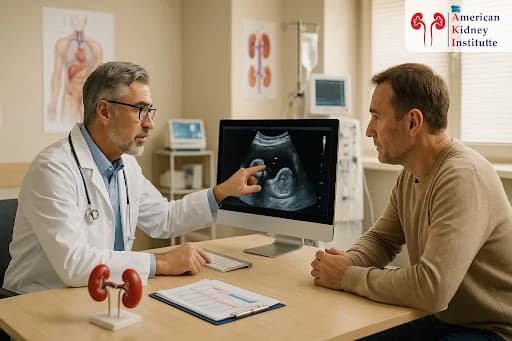
Accurate diagnosis requires both clinical examination and advanced tools. A detailed medical history and physical examination assess joint movement, strength, alignment, swelling, and pain patterns, while imaging tests such as X-rays, MRI scans, and CT scans reveal bones, cartilage, ligaments, and soft tissues.
Best Orthopedic Treatment Options
Treatment depends on the cause, severity, patient age, and overall health, with conservative care usually attempted before surgery.
- Non-surgical treatments including medications to reduce pain and swelling and physical therapy to strengthen muscles and improve flexibility
- Lifestyle modifications such as weight management, proper posture, and ergonomic corrections
- Advanced injection therapies, including corticosteroid injections to reduce inflammation and lubricating injections to improve joint movement
- Surgical and minimally invasive procedures such as arthroscopy, ligament repair, or joint replacement when non-surgical treatments fail
Structured rehabilitation programs restore joint strength, balance, and flexibility, and regular follow-up ensures safe recovery.
Preventing Joint Pain
Regular exercise, balanced nutrition, and a healthy weight support strong bones and flexible joints, while early consultation for minor pain prevents serious damage later. Choosing a well-equipped hospital with advanced diagnostics, rehabilitation support, and patient-centered care improves outcomes.
Book a Consultation
Joint pain should not be ignored or considered normal. Understanding its causes and seeking timely care prevents long-term disability and improves quality of life. American Kidney Institute in Vijayawada offers modern diagnostics, advanced treatment, and structured rehabilitation. Call our 24/7 line on 0866-2434849 to book a consultation.
Have questions about your health?
Our specialists are here to help. Book a consultation today.
Make an Appointment